Putting a Pennsylvania Patriotic Design to the Test
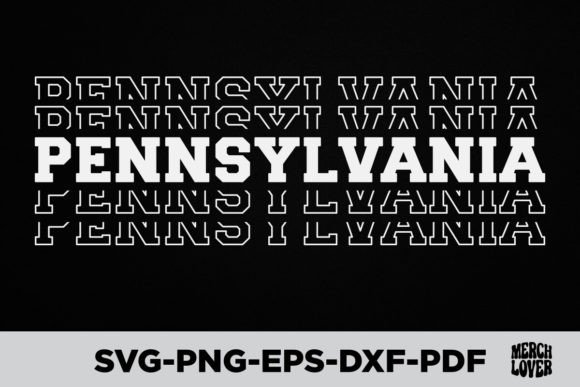
As someone who stitches out dozens of designs a week for clients and my own shop, I’m always looking at a file with a practical eye. It’s not just about whether it looks good on screen; it’s about how it will live on fabric. So, when I loaded up the Patriotic USA State Pennsylvania T-Shirt design, my first thoughts were about its real-world application.
First Impressions: Where Does This Design Belong?
The layout is bold and proud, a clear celebration of state pride within a classic American framework. It doesn’t feel overly fussy—the details seem intentionally crafted for clean stitching. This gives it a versatile personality: it could be a heartfelt gift for a grandparent or a statement piece for a boutique’s local-themed line. The mood is celebratory and respectful, perfect for occasions like Independence Day, homecoming gifts, or simply as a year-round nod to Pennsylvania roots.
I immediately pictured it on a mid-weight cotton tote bag—a product that’s both practical and symbolic. For a small business owner, this could be a standout item at a craft fair. For a personalized gift, stitching it on a sweatshirt for a dad who’s a proud native feels like a natural fit. The design’s scale and detail level suggest it’s meant to be a focal point, not a tiny accent.
The Real Embroidery Scenario: A Custom Holiday Gift Project
Let’s walk through a typical use case. Imagine you’re an Etsy seller preparing a batch of custom embroidered pillow covers as holiday gifts for clients wanting something uniquely Pennsylvanian. You’ve got the Patriotic USA State Pennsylvania T-Shirt file ready. Your first step, always, is a test run on scrap fabric of similar weight to your final product—a linen-cotton blend, in this case.
This is where you assess the stitch density and the clarity of smaller elements. Does the lettering maintain its integrity? Are the decorative accents, like any stars or borders, defined without becoming too dense? A design like this, with its thematic weight, needs to stitch out crisply to carry its emotional impact. A blurry or puckered result undermines the entire handmade product value.
Performance Across Different Embroidery Projects
This design has a strong, central composition that works well on flat, stable surfaces. For custom apparel like t-shirts and sweatshirts, using the proper stabilizer is critical, especially if the fabric has any stretch. On a baby blanket or nursery decor item, it would become a beautiful heirloom piece, but you’d want to ensure the thread colors are vibrant against pastel backgrounds.
For commercial projects, such as a line of embroidered patches for a local brand, the design’s recognizability is a key asset. It could also be stunning on a tea towel or apron in a kitchen-themed boutique. The challenge, and the opportunity, lies in choosing the right fabric partner. A smooth, tightly woven cotton will showcase the details best.
Areas for Careful Consideration Before Stitching
While versatile, some applications require extra forethought. If you’re thinking of putting this on a cap or hat with a curved surface, you need to consider how the design’s layout will conform to that shape. Small hoop sizes might force you to scale it down significantly, which could compromise the clarity of smaller details and tiny lettering.
Dark fabric presents its own test. The color palette of the original embroidery file must have enough contrast to pop—you might need to adjust thread choices for optimal visual appeal. Similarly, on very textured fabrics like some blankets or bags, the fill stitch areas need to be dense enough to look solid without overwhelming the material.
Why This Design Impacts Your Craft Business
Using a well-executed design like the Patriotic USA State Pennsylvania T-Shirt directly affects customer perception. When a design stitches out cleanly, it builds customer trust. It shows professionalism and care, which elevates your entire brand consistency. For a digital product seller, offering a file that translates reliably to stitched form is crucial for positive reviews and repeat buyers.
The giftability of the finished product is high. It feels specific and thoughtful, not generic. This boosts buyer engagement in your listings, whether on Etsy or at a market. People connect with designs that honor a place they love. From a craft business perspective, it’s a design asset that can be used across multiple product types, increasing its value to you.
Practical Notes for the Embroidery Designer
- Always test the design on scrap fabric first. This is non-negotiable for assessing puckering and detail integrity.
- Check thread color contrast against both light and dark fabric backgrounds. Run a simple black and white mockup on screen to see if the composition holds its form without color.
- Review stitch density in the file preview if possible. Very dense areas can be tough on delicate or thin fabrics.
- Confirm the hoop size you intend to use can accommodate the design without needing excessive scaling.
- Use the appropriate stabilizer for your chosen project—a woven for bags and towels, a cut-away for stretchy apparel.
- Most importantly, confirm licensing before selling finished items. Understand if the digital embroidery file is for personal use, commercial use, or both. This is a fundamental step for any small shop product or commercial embroidery project.
In the end, a design like this succeeds when it moves from being just a graphic on screen to a confident, clean stitched statement on a real product. It’s about the transition from digital promise to tactile reality. For the maker, the entrepreneur, and the gift-giver, that’s where the true value of a T-Shirt Design like this is proven—in the hoop, on the fabric, and in the hands of someone who appreciates it.