A Centaur's Charm in Everyday Embroidery
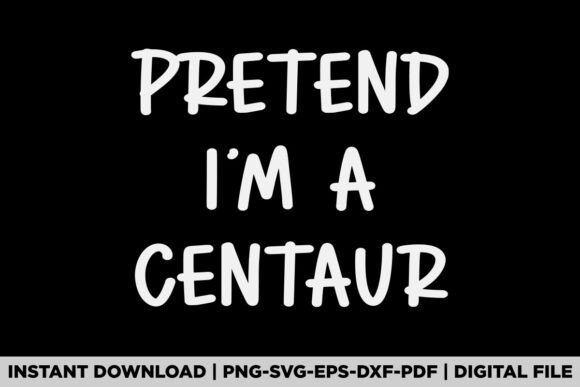
Let's talk about the “Pretend I'm a Centaur” design. As an embroidery designer, my first thought is always: what does this design feel like in context? This piece isn't a hyper-realistic illustration; it's a graphic with a playful, mythical personality. It carries a sense of whimsical confession, a lighthearted “what if” that instantly creates a mood of friendly fantasy. The layout is clean and graphic, making it immediately readable, which is crucial for embroidery where detail can get lost in stitches.
The Natural Habitat for This Design
I picture this design living perfectly on a custom apparel item like a soft, mid-weight cotton sweatshirt. It’s the kind of graphic you'd gift to a creative friend or use for a boutique’s quirky line of casual wear. I recently considered it for a custom embroidered tote bag for a bookshop client—it has that slightly literary, imaginative vibe that works well on durable canvas. It would also shine as a centered design on a kids' t-shirt or a playful detail on a nursery pillow cover, adding character without overwhelming the space.
For small business owners and Etsy sellers, this is a strong candidate for a range of handmade products. Think embroidered patches for denim jackets, a simple accent on a tea towel for a whimsical kitchen, or the focal point on a unisex cap. Its theme is universal enough for birthdays or just-because gifts, appealing across ages without being tied to a specific holiday. That's a practical advantage for crafters building inventory.
Where Stitches Meet Practicality
In real embroidery work, the success of a graphic like “Pretend I'm a Centaur” hinges on its translation from digital file to physical thread. The clear shapes and likely use of bold outlines suggest it will stitch out with good clarity. However, any tiny lettering or extremely fine details within the centaur figure itself would need careful examination in a test run. I always advise testing any embroidery file on scrap fabric first, using the same stabilizer and base material you plan for the final project. This lets you check stitch density, thread color contrast, and whether small elements remain crisp.
For dark fabric backgrounds, you’d want to ensure the design has enough solid fill stitches or a bold satin stitch border to maintain visual pop. On stretchy fabrics like t-shirts, proper stabilizer is non-negotiable to prevent distortion of those clean graphic lines. On curved surfaces like caps, the design’s overall shape should be evaluated—a very wide, horizontal layout might not fit a smaller front panel well.
A Note on Visual Appeal and Value
When a design stitches out cleanly, it directly boosts the perceived value of the finished product. A crisp “Pretend I'm a Centaur” embroidery on a sweatshirt elevates it from a plain garment to a thoughtful, handmade presentation. For creative entrepreneurs, this builds customer trust and reinforces brand consistency if your shop specializes in playful, personalized gifts. The design’s inherent giftability is high—it’s personal without being overly specific, and it sparks a smile.
Careful Considerations for a Smooth Project
While this design seems adaptable, some situations demand extra thought. If you're working with very small hoop sizes, perhaps for a baby item, check that the design’s scale doesn’t compress critical details into a muddy stitch cluster. Textured fabrics like towels can obscure finer lines, so a bold graphic is actually a friend here. Always review the embroidery file in a black-and-white mockup to understand its structure without color distraction, and compare how it might look on both light and dark fabric backgrounds before committing thread.
A crucial step for anyone using this for commercial embroidery or selling finished products is to confirm the licensing terms. The product category suggests it’s a graphic for t-shirt designs, but you must verify if the file is licensed for personal use only or also for commercial use in your handmade business items. Never assume.
Final Thoughts from the Hoop
“Pretend I'm a Centaur” strikes me as a versatile, mood-lifting embroidery design. It belongs in projects where a touch of friendly fantasy is welcome. Its graphic nature should make it relatively straightforward to stitch, provided standard good practices are followed: test first, match stabilizer to fabric, and mind the scale. For machine embroidery designers, craft business owners, and hobbyists looking for a design that bridges personal charm and product-ready appeal, this one warrants a closer look. It could become a staple in your lineup for custom apparel, embroidered patches, and those perfect, conversation-starting gifts.